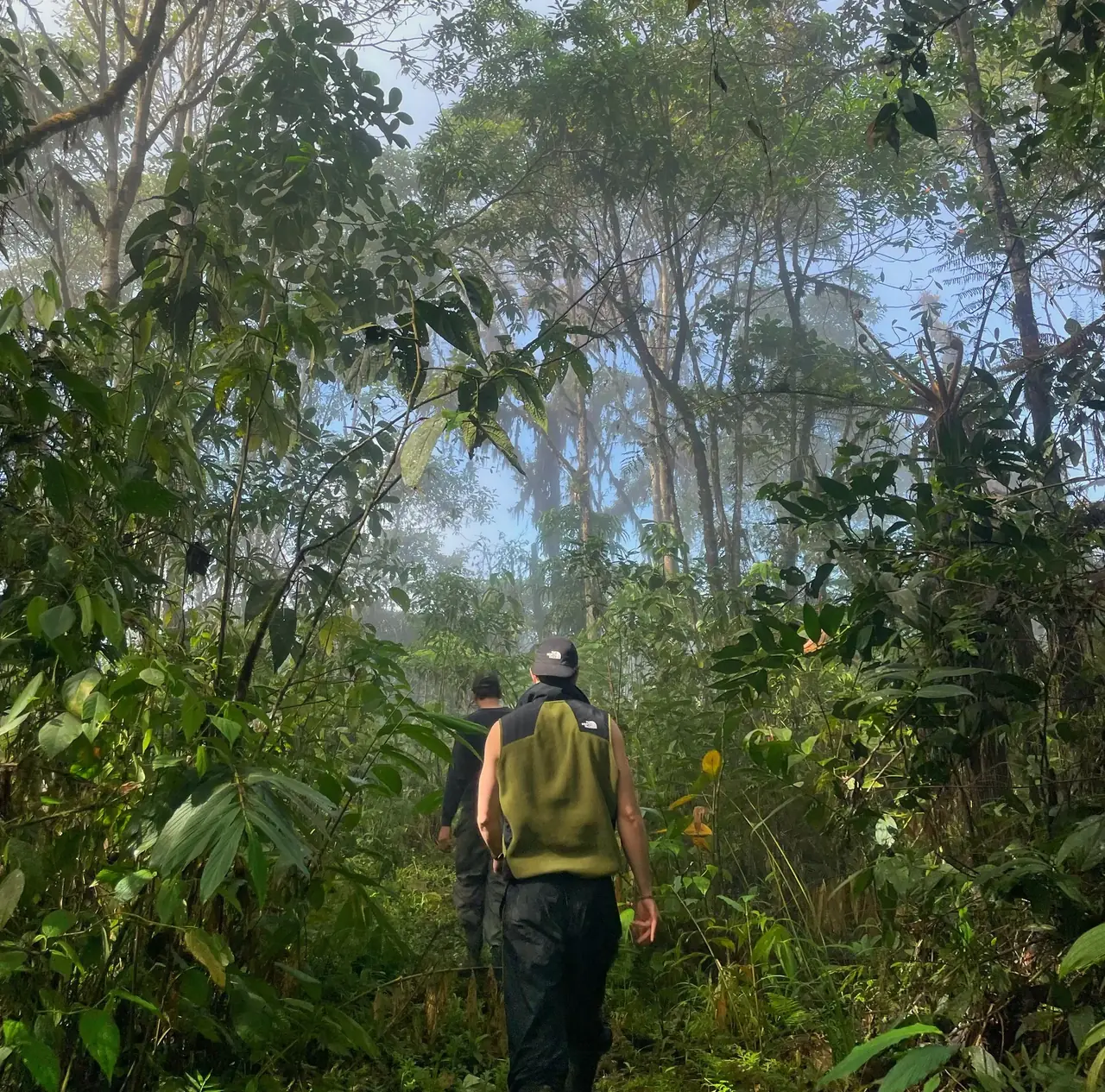
On the way to a study site.
Fundación Tangaré / Thesis fieldwork
Fieldwork for your thesis in Ecuador’s cloud forest
A guide for bachelor’s and master’s students who need field data: what you can study at our site, how supervision works, what your university may ask for and what to sort out before you travel.
- Stay
- 4 weeks to 5 months
- Cost
- From $880 USD a month, lodging and meals included
- Supervision
- On site, by our team
- Track record
- A master’s thesis that became a 2026 journal article
Is this the right place for your thesis?
The site suits questions that need a forest that is well documented and protected over the long term.
You do not start from zero
Species lists already exist for birds (297), mammals (43) and amphibians and reptiles (52), and specialists surveyed seven groups of organisms in 2025 and 2026. Your study can build on that baseline instead of spending weeks on basic inventory.
A gradient in a small area
The site rises from 1,100 to 2,040 m through three forest ecosystems, and protected forest borders a working farm. That makes comparisons along elevation, or between forest and farmland, practical within walking distance.
Records that go back years
Camera traps have run without a break for more than three years, and climate data are recorded on site. If your question could use those records, ask us about access when you write.
A forest that stays put
The forest has been privately protected since 1971, and the 2025–2026 surveys found no sign of hunting. Long-term plots and repeat visits are realistic here.
Thesis ideas
Open questions at the site, taken from our active projects and from the gaps the 2025–2026 surveys left. You can also bring your own.
Bats and small mammals
The groups with the most species still unrecorded. Mist netting and live trapping across seasons would add species and show how they use the forest.
Biology, ecology
Amphibians at night and above 1,800 m
Night surveys and sampling above 1,800 m have barely been done. Rain frogs, the largest group, need the shade and moisture of the forest floor.
Herpetology, conservation biology
Epiphytes and orchids
Twenty sampled trees carried 602 epiphytes of 33 species, and only 13 orchids have been identified so far. The canopy community is wide open.
Botany, ecology
Birds in farmland
How bird diversity and abundance in the farm’s agricultural areas change after good farming practices are introduced.
Ornithology, agroecology
Water, soil and small ponds
The effect of keylines and jagüeyes (rainwater ponds) on erosion, water infiltration and the plants, macroinvertebrates and amphibians that use them.
Agronomy, environmental science
People, wildlife and farms
Which methods keep wild animals away from crops and farm animals, and which farm practices favor pollinators and seed dispersers.
Conservation, rural development
Primate behavior
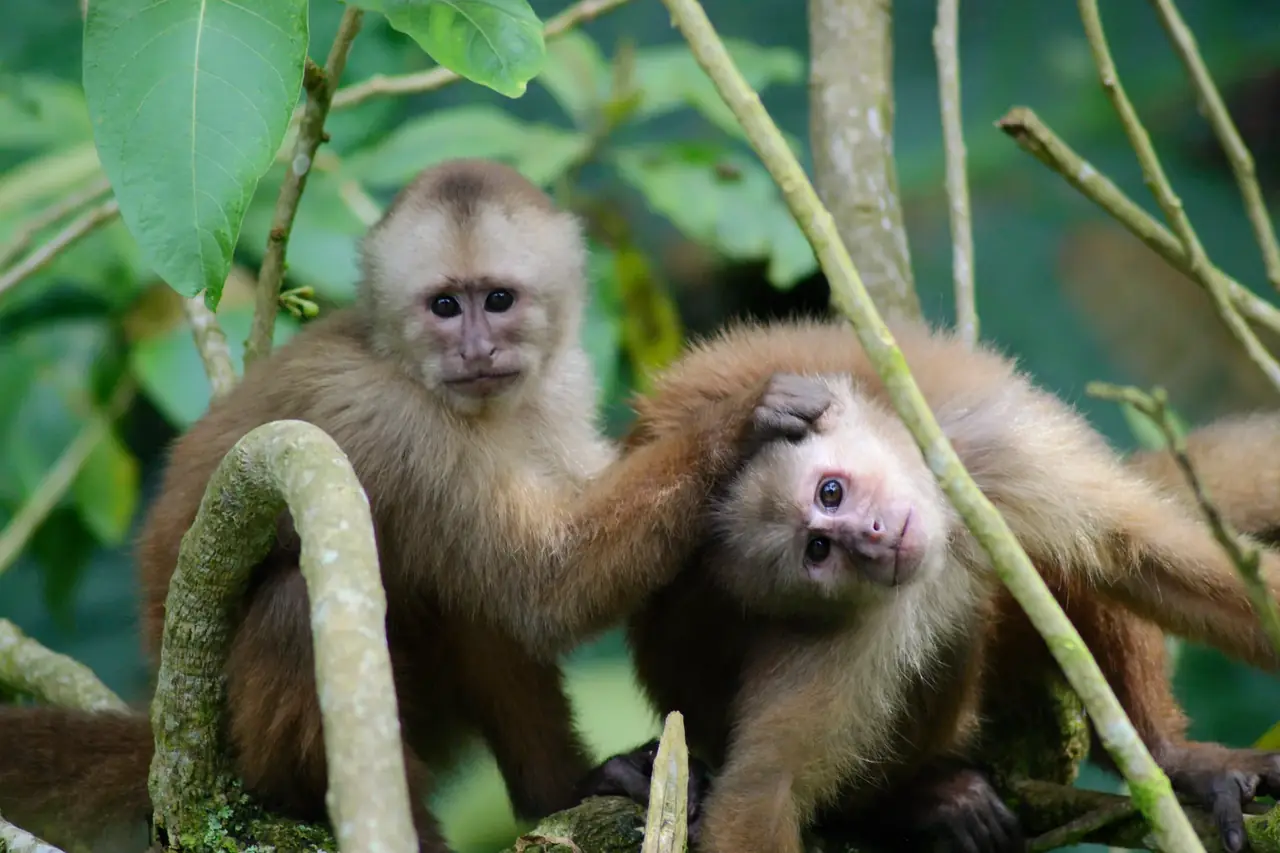
Unusual behaviors and vocalizations of the Critically Endangered Ecuadorian capuchin, in groups whose individuals can be recognized.
Primatology, animal behavior
Carnivores on camera
Activity patterns, habitat use and co-occurrence of the puma, the Andean bear, the tayra and the clouded tiger cat.
Wildlife ecology
A thesis that became a paper
In 2024, master’s student Nuria Hannaoui followed a habituated group of 16 Ecuadorian capuchins at La Hesperia to test whether scratching is contagious. It is: the monkeys scratched more often after seeing a groupmate do it.
The study, led by the Universitat de Girona with Fundación Tangaré, was published in the American Journal of Primatology in 2026, with the Foundation’s executive director among its authors.
From idea to field season
Write to us early
Tell us your topic, your degree, your possible dates and what your university requires. The best moment is while you are still writing your proposal.
Check the fit together
On a call we look at whether the site has what your question needs: the species, the season, the equipment. If it does not fit, we will tell you.
Agree a work plan
Objectives, methods, schedule and what you need from us, written down before you travel and shaped by what your university asks of you.
Sort out documents and permits
See the two sections below.
Do the fieldwork
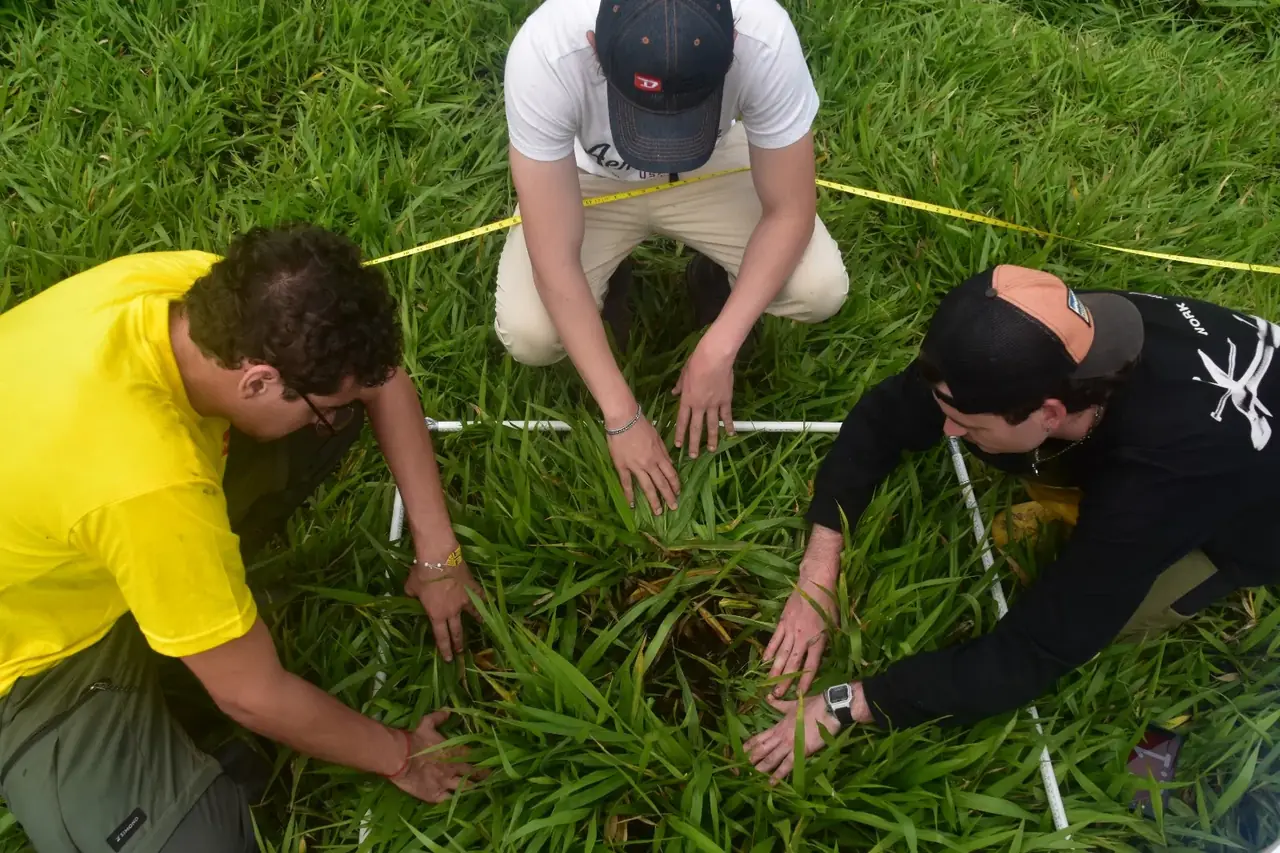
You live at La Hesperia, work with supervision from our team and join the weekly talks. You can use every trail and habitat in the reserve.
Close the loop
You receive a certificate of participation signed by the Foundation’s executive director, documenting your work.
Documents for your university
Every university asks for something different: an acceptance or invitation letter, the details of a host supervisor, a signed agreement or an evaluation form at the end. Tell us what yours needs when you write and we will tell you what we can provide.
Research permits
Whether you need a permit depends on your methods. Collecting specimens or samples requires a scientific research authorization from the Ecuadorian authorities, and the regulations on research permits for biodiversity were updated in 2026.
Describe your methods when you write to us, and confirm the requirements with your university before you travel. Leave enough time: permits are not issued overnight.
Data and publication
Settle three points in writing before you start: where the raw data are kept and who receives a copy, how La Hesperia and the Foundation are acknowledged, and whether anyone from the team should be a co-author. Agreeing early avoids problems when you write up and publish.
Practical details
| Duration | 4 weeks to 5 months |
|---|---|
| Start | Any Monday of the year, except 23 December to 3 January |
| Cost | From $880 USD a month: shared room, three meals a day, internet, transport from the highway, supervision and certificate |
| Scholarships | Available in some cases, depending on the needs of the reserve |
| Equipment | Basic field equipment for the ongoing projects is available; bring anything specialized |
| Language | English or Spanish; you do not need to speak Spanish |
| Insurance | International health insurance for your whole stay is required |
Tell us about your thesis
Send your topic and dates through the research program application. We reply within 24 hours.